
Wedding Traditions and Trivia

Traditions
and customs... weddings are filled with them. "Something old,
something blue..." and all that stuff! It's more than just
trivia; Have you ever stopped to wonder what on earth all of these
wedding traditions and rituals actually mean and where or how
they originated?
Most of these
rituals and traditions have endured the test of time, having emerged centuries
ago. How fascinating is that? How is it that they survive?
These wedding
traditons and customs have historically been maintained over the
years and handed down through the centuries because such traditions
carry with them the promise that they will bring happiness and good
fortune to the couple at this transitional time in their life - and
who could be brave enough to tamper with that?
But more than
this, by including wedding traditions, customs, or rituals in your
wedding, you can make it more meaningful by choosing traditions that
speak to you in some personal way. It's almost magical to include
traditions and customs in your wedding that date back hundreds of
years, knowing that couples for generation upon generation before you
have included the same rituals in their weddings. These traditions
are the thread that ties us to history. They are like a gift from the
past. Incuding some of these wedding traditions in your wedding will
enhance your wedding experience, and at the very least, reading about
them will fascinate, amaze, and maybe even amuse you...
Did you know that:
For
centuries the month of June has been the most popular choice for
weddings - but the original reason might surprise you. You see,
during the 1400 -1500s, May was the month in which the "annual
bath" occurred. Yes, just as it sounds, back then people were
only able to bathe thoroughly once each year. As such, since
the over-all population was smelling relatively fresh in June, it was
a good time to hold a special event like a wedding! Further, the
month of June is named after the goddess Juno, who was the Roman
counterpart to Hera, the goddess of the hearth and home, and patron
of wives.
Ancient
tradition thought it was unlucky to marry in the month of May
because in Romans times the Feast of the Dead and the Festival of the
Goddess of Chastity both occurred in May.
To
practice writing your new name prior to the wedding (and what bride doesn't
do this?) is believed to tempt fate and thus, is also believed to
result in bad luck during the marriage!
Bad
weather on the way to the wedding is believed to signify unhappiness
in the marriage. Traditionally it is believed that cloudy skies and
wind en route to the wedding will result in a stormy marriage.
However, snow on the way to the wedding is a sign of fertility and prosperity!
According
to an old legend, the month in which you marry may have some bearing
on the fate of the marriage:
"Married when
the year is new, he'll be loving, kind and true;
When February
birds do mate, you wed nor dread your fate;
If you wed when
March winds blow, joy and sorrow both you'll know;
Marry in April
when you can, joy for Maiden and for Man;
Marry in the month
of May, and you'll surely rue the day;
Marry when June
roses grow, over land and sea you will go;
Those who in July
do wed, must labor for their daily bred;
Whoever wed in
August be, many a change is sure to see;
Marry in
September's shrine, your living will be rich and fine;
If in October you
do marry, love will come but riches tarry;
If you wed in
bleak November, only joys will come, remember;
When December
snows fall fast, marry and true love will last".
It
was thought that misfortune would come to those who married during
lent - "Marry in Lent, live to repent" - because lent was a
time for abstinence.
The
tradition for the bride to wear white began in the 16th century and
is still commonly followed today. This is a symbol of the bride's
purity and her worthiness of her groom. The tradition became
solidified during the time of Queen Victoria who rebelled against the
royal tradition for Royal brides to wear silver. Instead, the queen
preferred the symbolism which is expressed by wearing white. The
brides of the time quickly emulated the queen, and the tradition has
continued in full force to this day.
There
is an old saying that "the bride wore a green gown". This
implies the belief that she was promiscuous before marriage and
refers to the image of her rolling around in grassy fields with a
young man.
|
Traditionally
brides have been thought to be particularly vulnerable to evil
spirits. Many wedding customs and traditions were originated as an
attempt to fight away such evil. The veil was worn with the belief
that it would disguise the bride and fool the evil spirits. It was
not until 1800 in Britain that the veil came to symbolize modesty and
chastity. Today, the veil remains the ultimate symbol of virginity.
It
is held that a final look in the mirror right before the bride
leaves her home for the ceremony will bring good luck. However,
if she looks in a mirror once again before the ceremony, her luck
will tarnish to bad!
It
is believed to be bad luck for the bride to make her own wedding dress.
Seeing
a lamb, frog, spider, black cat, or rainbows on the way to the
ceremony is believed to be a sign of good luck! |

Image©
2001AspenLightPhotography |
It
is believed to be bad luck for the bride to wear her complete outfit
before the wedding day. As an extension to this, some brides leave a
final stitch on the dress undone until the day of the wedding for
good luck.
"To
change the name and not the letter, is to expect the worst and not
the better!" This little riddle conveys the notion that it is
thought to be unlucky to marry a man whose last name begins with the
same first letter as your own.
Seeing
an open grave, pig, or lizard on the way to the ceremony, or hearing
a crow after dawn on the morning of the wedding are all thought to be
omens of bad luck.
In
times past, if a young man encountered a blind person, a pregnant
woman, or a monk while on his way to propose to his intended bride,
it was believed that the marriage would be doomed if he continued
along because these images were thought to be bad omens.
On
the other hand, if he were to happen upon a pigeon, wolf, or goat,
he could expect extremely good fortune in the marriage.
Catching
a glimpse of a monk or a nun is also thought to be a omen of
misfortune because of their association with poverty and chastity.
The
tradition of tying tin cans to the back of the newlywed's vehicle
originated long ago when items which would produce noise were tied to
the back of the couple's carriage to scare away evil spirits.
|

©2001AspenLightPhotography |
Playing
pranks on the newlywed couple was also a tradition which began with
the intentions of warding off evil spirits. Loyal friends of the
couple would do this in hopes that the spirits would take pity on the
couple for already being picked upon enough, and would then leave the
couple alone.
The
tradition of having members of the wedding party dress alike was
started with the hopes that this would cause confusion for the
spirits and send them on their way. |
Tradition
says that the first member of the newlywed couple to purchase a new
item following the wedding will be the dominant force in the
relationship. As such, to this day some superstitious brides will
pre-arrange to buy a small item from one of the bridesmaids
immediately following the ceremony!
Cakes
have played a part of weddings all through history. The Romans
shared a plain cake of flour, salt and water during the wedding
ceremony itself, as Native Americans still do today. The traditional
fruit cake originated in Britain, with the fruit and nuts being a
symbol of fertility.
|
Cutting
the wedding cake together, still a predominant ritual at weddings,
symbolizes the couple's unity, their shared future, and their life
together as one.
In
old England it was traditional to bake a ring into the wedding cake
as a symbol of bliss and happiness. The guest whose piece of cake
contained the ring, it was said, could look forward to a full year of
uninterrupted happiness. |

Image©
2001AspenLightPhotography |
Another
old English custom was to throw a plate with a piece of wedding cake
out of a window on the occasion of the bride's first return to her
family home after the wedding. If the plate broke she could expect a
happy future with her husband - but if the plate remained intact,
prospects for the future became grim.
The
custom of throwing rice at the newlywed couple was to symbolize
fertility. In some cultures, it was not rice which was thrown, but
rather small cakes or pieces of a crumbled cake. Today some still
throw rice, but more commonly confetti or rose petals are thrown in
place of rice due to a number of practical and environmental reasons
- the symbolism remains the same! [Rice can be hazardous and often
fatal to birds who frequently attempt to eat it off the ground. It is
also very easy to slip upon, presenting potential for injury.]
|
The
three tiered cake is believed to have been inspired by the spire of
Saint Bride's Church in London, England.
It
is believed that an unmarried male guest who keeps a piece of
wedding cake under his pillow as he sleeps will increase his chances
of finding a mate. An unmarried bridesmaid who does the same will
dream of her future husband. |
|

Image©
2001AspenLightPhotography |
|
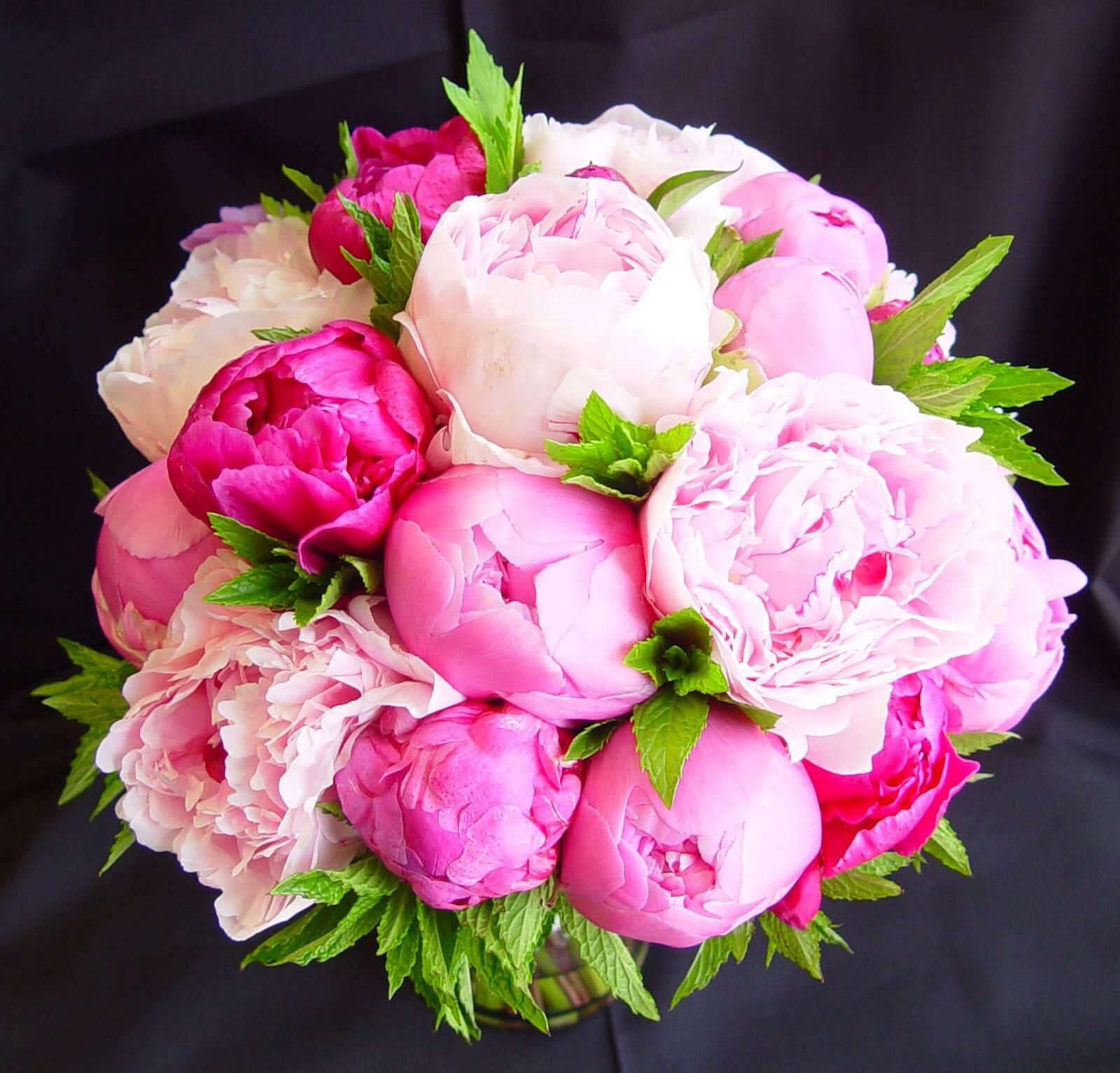
It
is customary, near the end of the reception, for the single female
guests to gather around the bride who will throw her bouquet over her
shoulder for one of them to catch. Originally, the bride would
actually throw one of her shoes over her shoulder during this ritual.
Tradition says that whoever catches the bouquet shall be the next to
marry. She keeps the bouquet to ensure this destiny.
A
parallel custom is for the groom to remove the garter worn by the
bride and throw it back over his shoulder toward the unmarried male
guests. Whoever catches it will reportedly be the next gentleman to marry. |
"Something
old, something new, Something borrowed, Something blue, And a silver
sixpence in your shoe". This well known little rhyme
originated during Victorian times and is still commonly practiced for
good luck. Traditionally, the "old" would have been the
garter of a happily married woman, with the thought being that her
good fortune would be passed down along with it. The "new"
stood for the couple's new bright and happy future together.
"Something borrowed" was usually a much valued item from
the bride's family. It symbolized prosperity within the new union,
but would bring that good fortune only
if it was returned to the family. "Something blue" came
from an ancient tradition in which the bride would wear a blue ribbon
in her hair as a symbol for fidelity. Placing a silver sixpence in
the bride's shoe was to ensure wealth in the couple's life. Today
brides often slip a penny inside their shoe before the ceremony in
place of the difficult to acquire silver sixpence. As such, the rhyme
is often adapted to "...And a lucky penny in your shoe". |

Image©
2001AspenLightPhotography
|
|
|